________________________________________________________________________________________________
The FOGHORN
ROTARY CLUB OF HALF MOON BAY
March 3, 2022
Dr. George Rutherford, UCSF
Current Status of Covid Pandemic
Article by Stacy Trevenon
Photos by Dianne Bobko
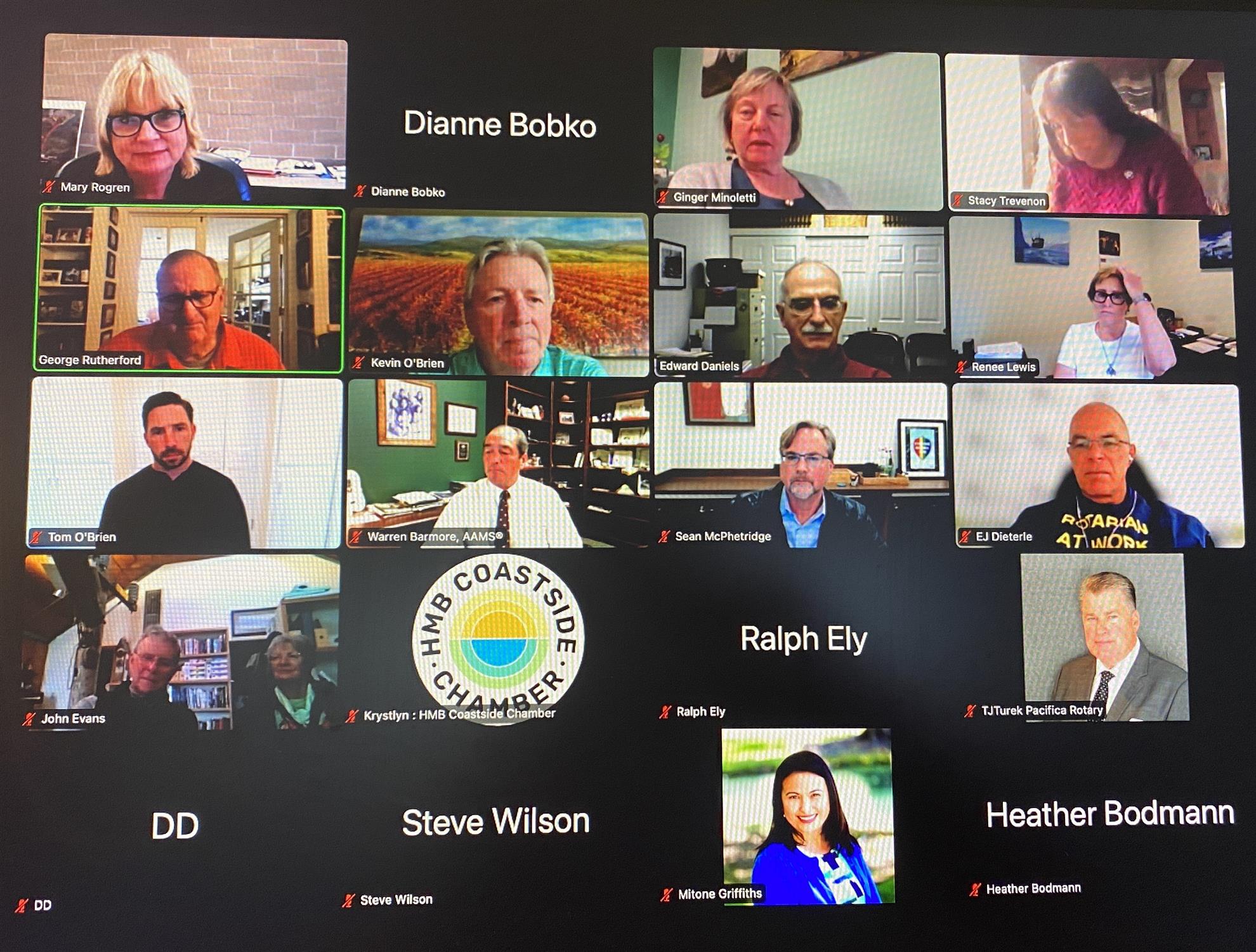
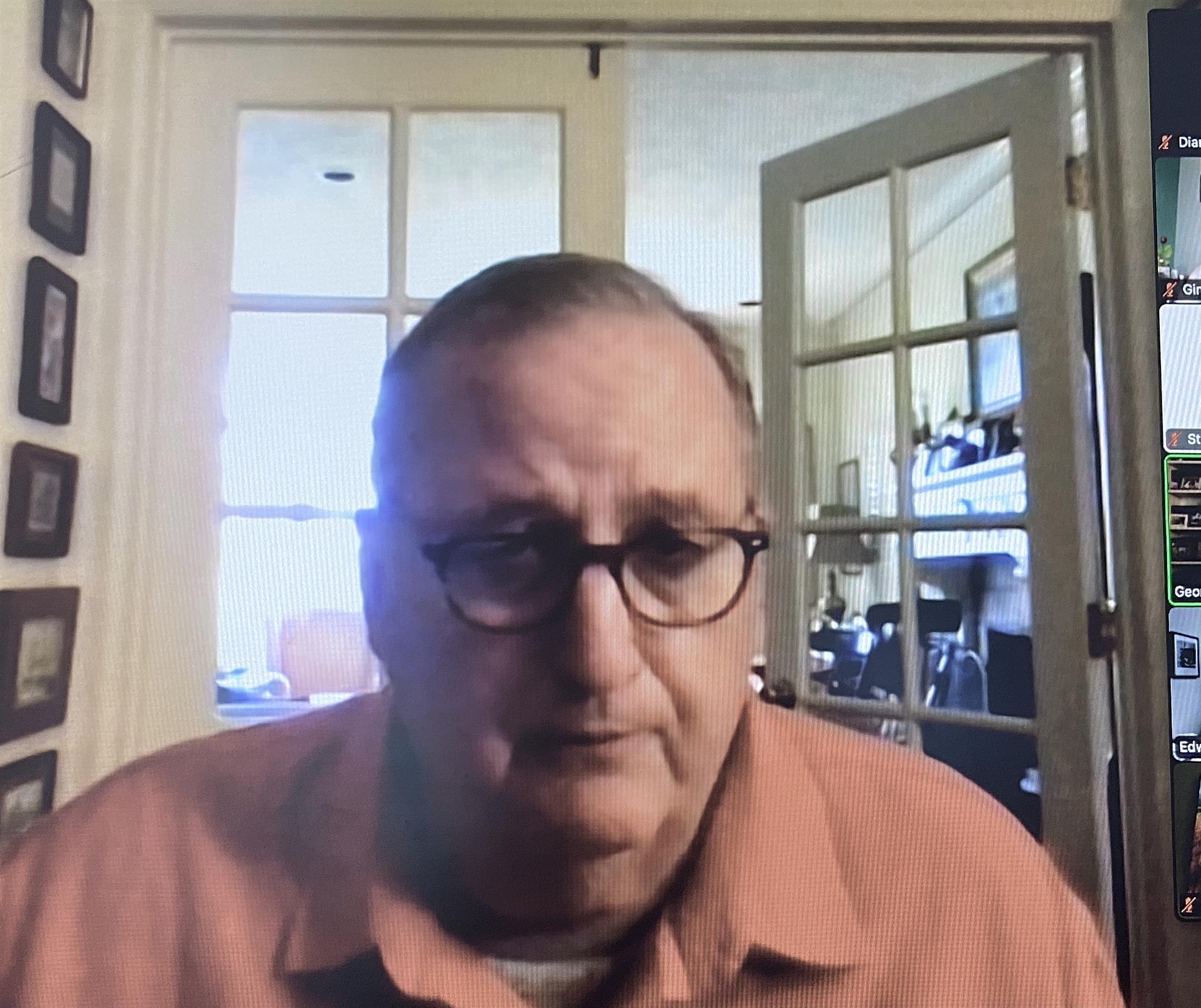
Ginger Minoletti introduced speaker Dr. George Rutherford of the University of California, San Francisco, to speak on the current status of the Covid pandemic. Regularly featured on KCBS as the Covid expert, Dr. Rutherford is a Professor of Epidemiology, Preventive Medicine, Pediatrics and History, and head of the Division of Infectious Disease and Global Epidemiology at the UCSF School of Medicine. He had previously spoken to the club, in February 2021. Club members were so impressed by the down-to-earth quality, intelligence and factuality of his presentation that they were eager to have him back to present an update for the Club.
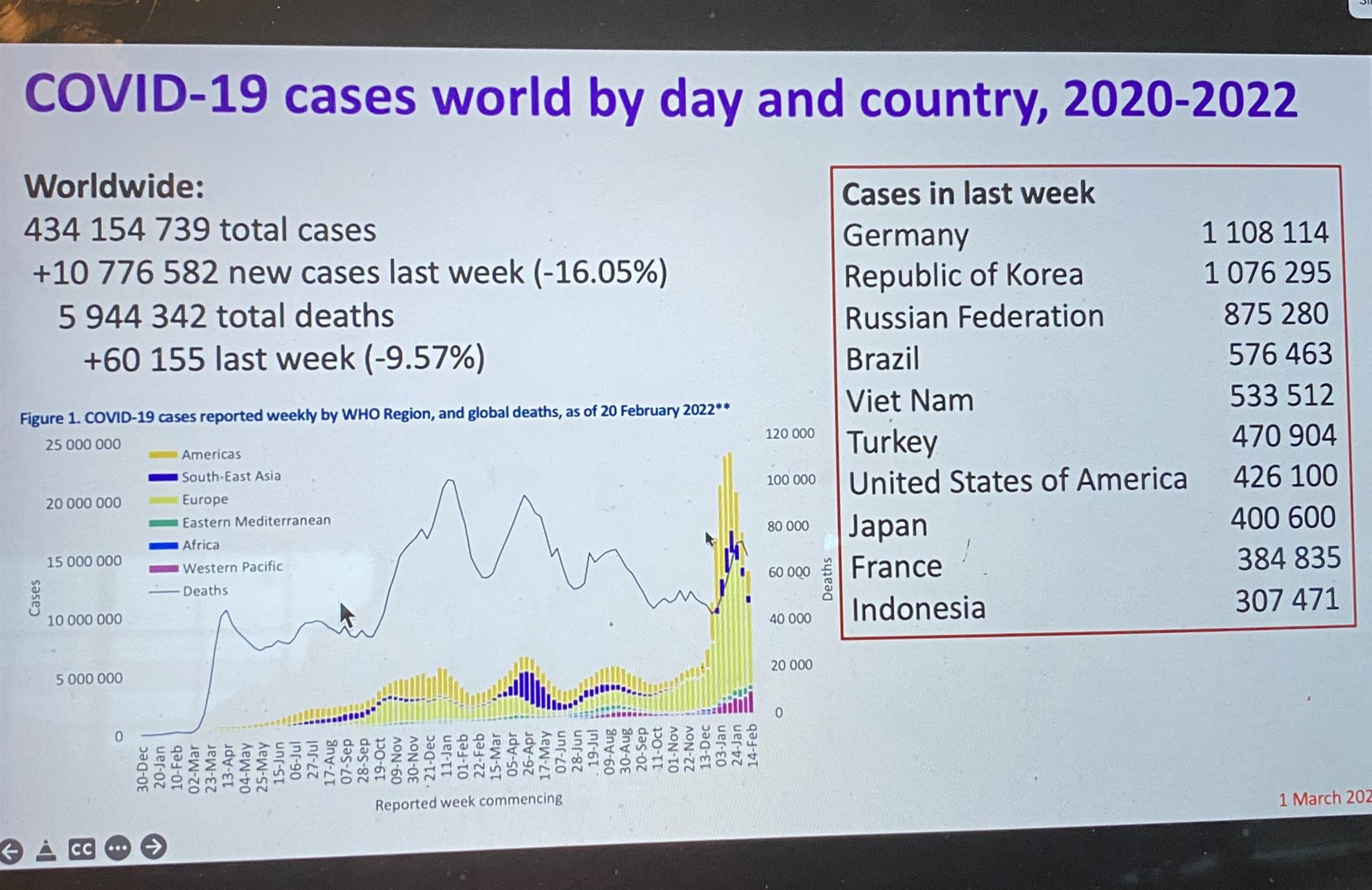
Frequently illustrating his talk with colorful and clear graphs clarifying percentages and showing maps and numbers, Dr. Rutherford sketched out an up-to-date report on the disease, its progression, numbers of new cases and where they are reported. He called the disease now a worldwide one, using a graph to chart its progression through North America and Europe. He offered the reassuring statistic that the United States is no longer No. 1 in Covid numbers, and mentioned its progression to and through countries like Germany, Brazil or Turkey. He cited recent declines in percentages of new cases and deaths, 60 percent and 10 percent respectively, and noted that Covid is “at its worst” in countries including Costa Rica, Japan and Australia.
He noted that statistics are looking better for the United States in terms of Omicron – over the past two weeks, there were 59 percent fewer cases, mortality rates have fallen in California and there is a decline in hospitalizations.
He estimated in the United States, a total of 79 million cases of Covid and 140 million infections. In California, he said, he estimated the infection rate at 41.3 percent of the entire population, which he called “a big deal.”
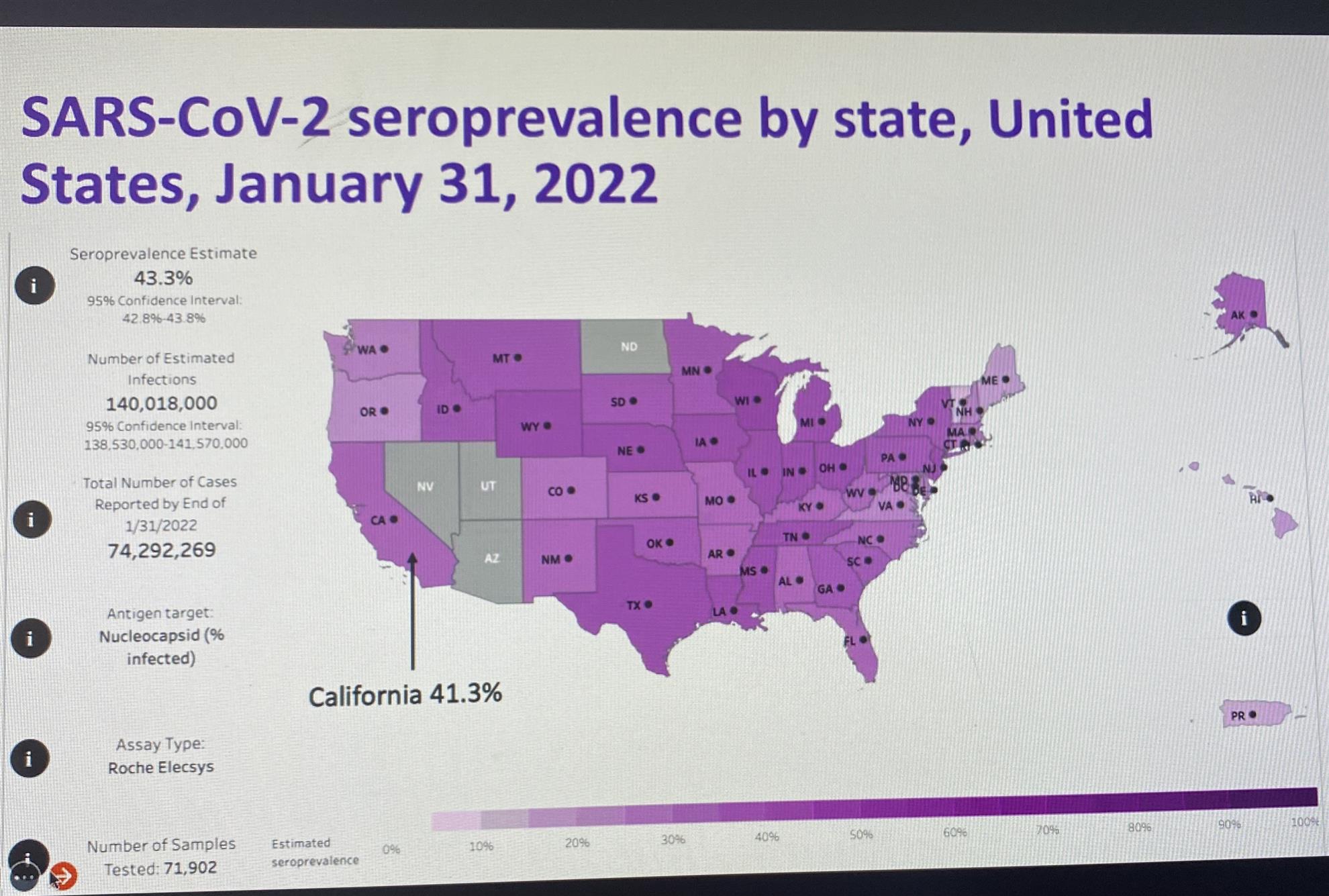
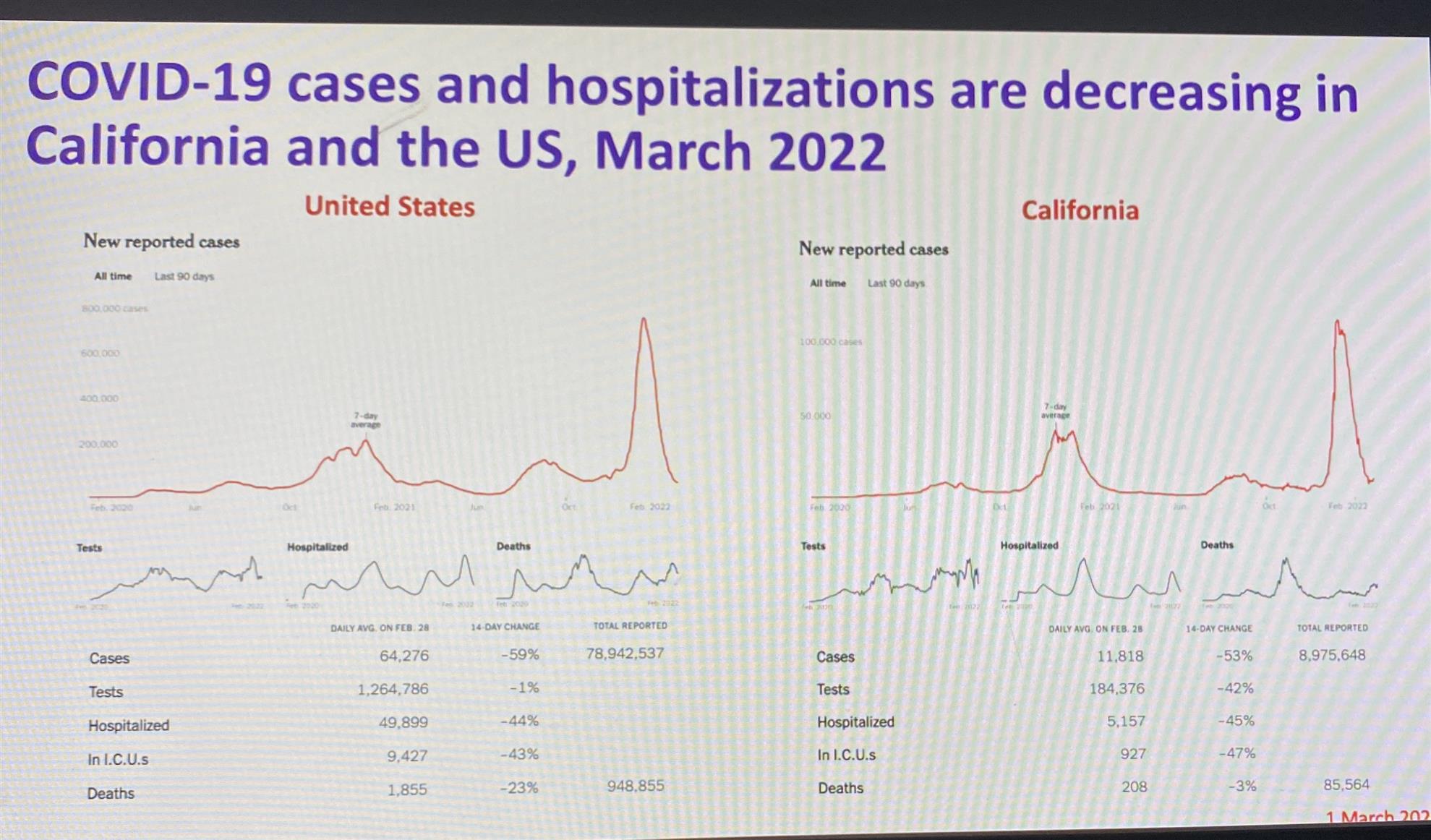
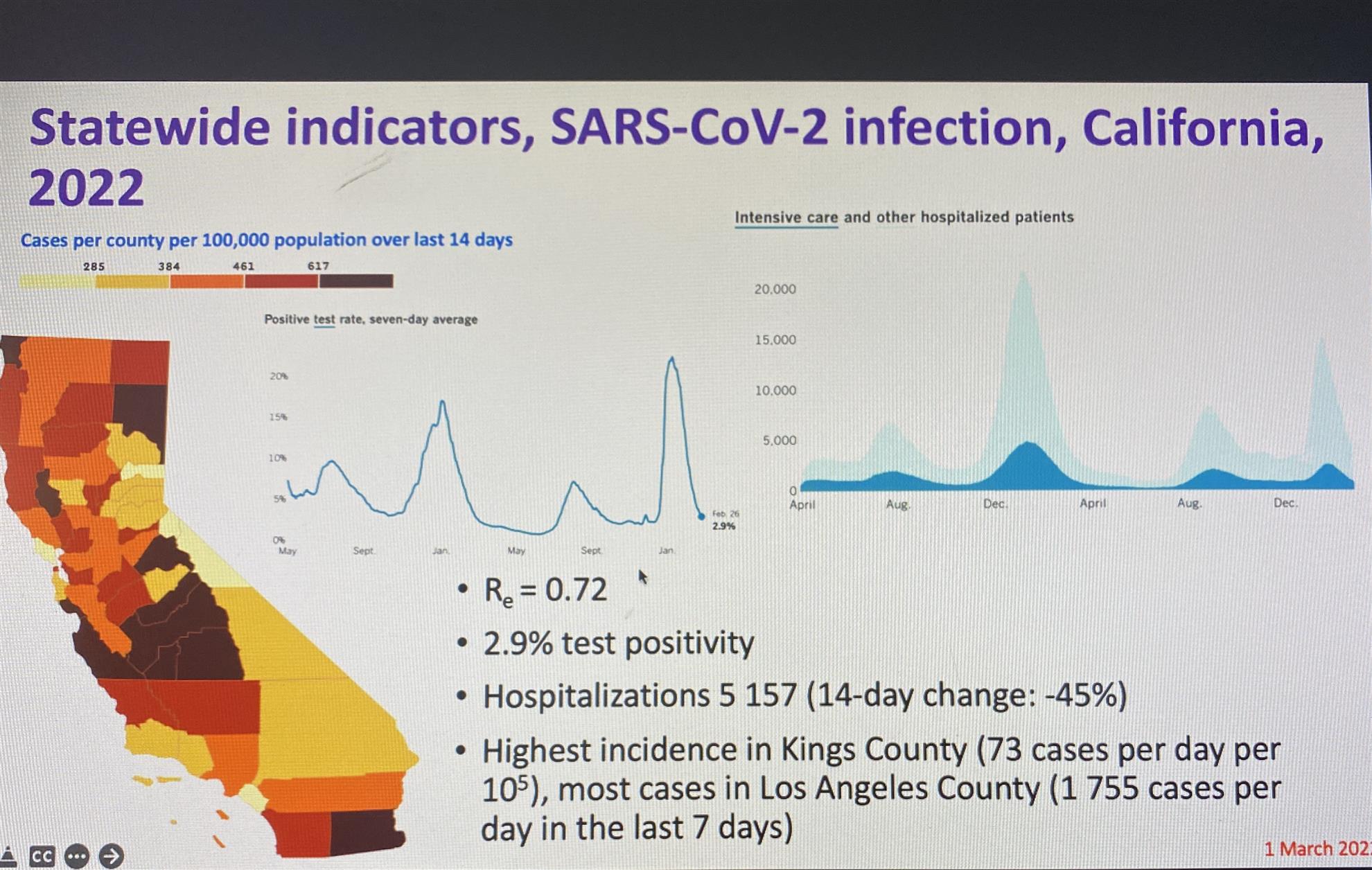
He noted that home tests are not recorded as are results from conventional medical resources. He mentioned the high rates in southern California, in the Los Angeles area. He also mentioned that there are high infection rates in areas where there is a lot of agriculture, such as the Santa Clara Valley. He mentioned 125,110 cases in San Mateo County, and about 1,200,000 cases in the San Francisco Bay Area. He said there is now a lot of home testing, which is not reported. We need better measurement though, he thought.
He mentioned sewage runoff as a reliable way of testing for the presence of Covid, as we can measure it by and in what our bodies expel. He also mentioned some specific areas across which the rate of Covid is falling, such as San Francisco, Palo Alto, and Gilroy. He discussed variants, and the transmissibility of Omicron versus Delta. He also discussed the BA.2 subvariant of Omicron, how worldwide data is beginning to emerge on it; it is more transmissible than Delta because it can evade the body’s immune system. He also said that the BA.2 variant is likely to be more severe.
He also noted that 40 percent of Californians are vaccinated and boosted. Should a third booster be considered? Dr. Rutherford advised waiting until the fall to consider that. Asked about the effectiveness of the vaccine, and noting that “vaccine does wane,” he answered 87 percent for the first couple of months and 81 percent over the initial two to three months.
Considering the topic of isolation after exposure, Dr. Rutherford noted that the CDC has changed some of its guidance. Relating to Omicron, he recommended five days at home. He recalled what he had heard about NFL players who had been exposed, who developed symptoms after five days.
As of mid-February, he listed professions that particularly require workers to wear masks: i.e. workers in public jobs indoors, health care workers, those who work in schools, child care or long-term care, and those working in jails. California, he said, currently requires that masks be worn in classrooms, but that mandate will be lifted as of March 12.
He did note that decisions requiring masks to be worn in school districts will be up to the districts themselves. He spoke of vaccination or mask requirements for children under age 5, and noted that as of fall 2022, children age 12 and up will need to be vaccinated for school.
He spoke a little more about case counts among those who work in sewage treatment, noting how the virus thrives in raw sewage.
He spoke of the new testing lab in Valencia, California, and the use of manufacturing in testing and monitoring the virus.
What lessons have been learned, at this time? Among those, he cited the role of internationalism, or getting along among people, as essential; the importance of private-sector solutions for manufacturing; and the importance of preparation and funding for pandemic response.
What’s next after Omicron? He ran through the nine familiar scientific symbols that pertain to this work, and spoke of mutations versus a general shift (a big change) in the virus. General mutations versus a general shift has to do with the evolution of the virus, and he discussed he the disease being transmitted in human populations.Though Omicron is a variant found in field mice, it can go to humans where it is more transmissible. He pointed out again that a genetic shift can bring about big changes in a virus, and if so, intervention is needed.
The pandemic hit its zenith in mid-January, and it looks to head down to lower levels by early April. He spoke of the pandemic of 1889, a similar respiratory viral pandemic sometimes referred to as the “Russian flu,” which spread worldwide. The last great pandemic of the 19th century and among the deadliest in history, it killed roughly 1 million people, or about 0.067 percent of the population at the time (about 1.5 billion in the early 1890s.) With a high attack rate, it proved particularly deadly among the elderly.
Dr. Rutherford invited questions.
Kevin postulated the picture of infections in a community with a large percentage of residents in the 60-70 age range, and wondered if we were there. Dr. Rutherford said we were approaching it; with the level at about 70 percent nationwide, it could take a generation to get there; he likened the pandemic to chicken pox.
Renee Lewis asked about different kinds of masks, including counterfeit ones? Dr. Rutherford stood by the best ones we use now, the KN95s.
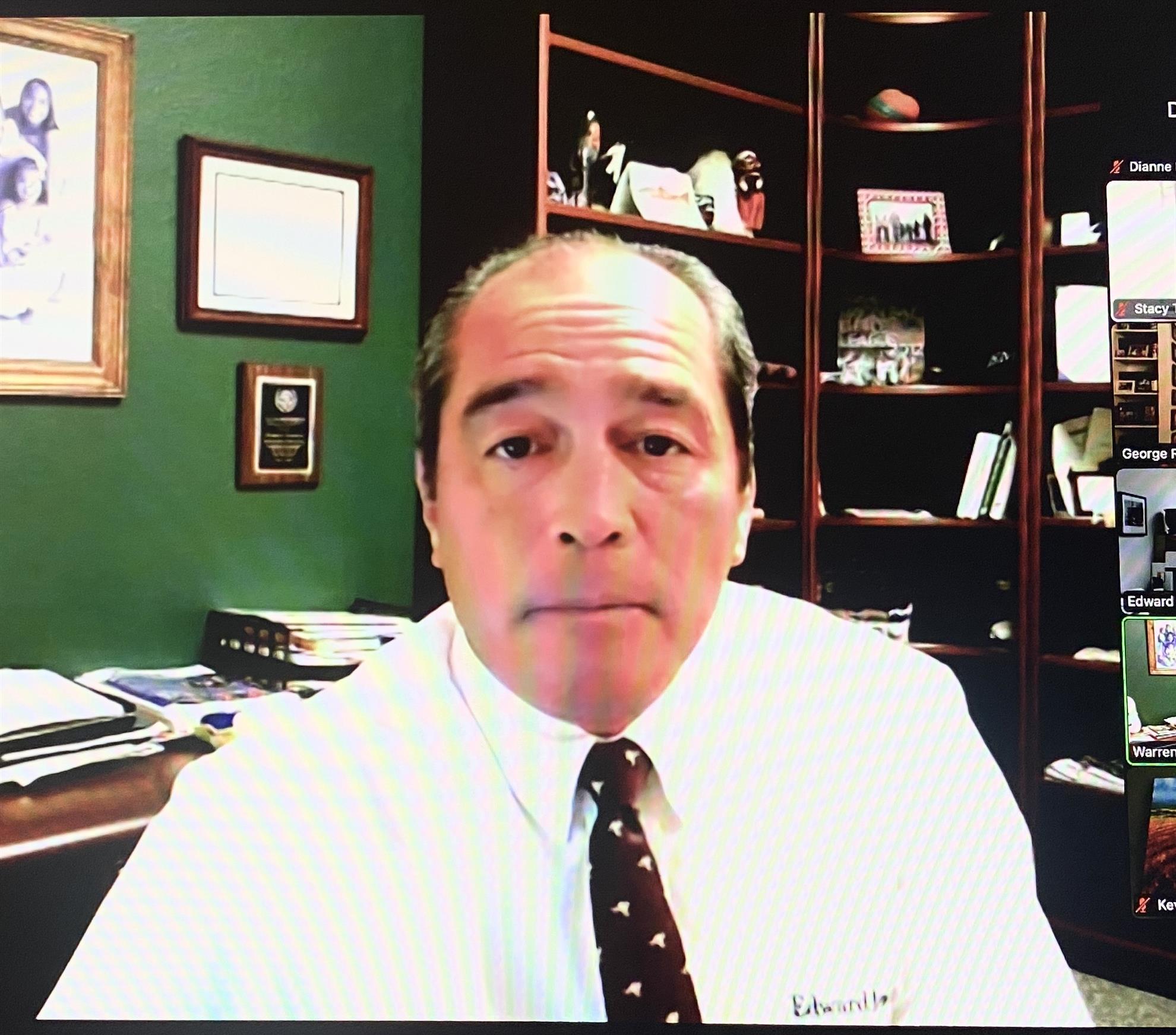
Warren Barmore mentioned that schools might institute a mandate for the vaccine, and if so, could that meet the same fate as the President met when he attempted to mandate the vaccine for American workers? Dr. Rutherford responded that schools already mandate the vaccine, and that this would have to take its legal course.
He spoke about getting a third shot, and when in answer to Mary’s question about mask use indoors, outdoors and/or in public. Dr. Rutherford said that “I think it’s prudent” to wear masks even outdoors or in events that draw large gatherings, to “err on the side of caution.” He reiterated his advice to get the shot. Discussion centered on the advisability of getting the correct series of shots.
Warren mentioned that the vaccine does wane in strength over time, and that once you have all three shots, his understanding is that you are 20 times less likely to die from contracting Covid.
John Evans asked how far away should you stand from other people? Dr. Rutherford reiterated that the wisdom (as per the CDC) is that you should stand six feet away from other people, and in Europe, a meter away. He described how coughs or sneezes can spread tiny droplets of moisture that you cannot see, but can carry the virus.
How long does the virus survive in the air? Dr. Rutherford’s answer: from minutes to hours depending on whether one is outside or inside, according to the CDC.
Renee spoke of elderly relatives and and visitors asking about levels of vaccinations; and the response was, not surprisingly, that immediate testing before contact is always suggested.
Kevin asked whether contacts with people who had traveled by flying, masked, was safest; Dr. Rutherford seemed to feel that that scenario is a relatively safe one. He himself is going to Geneva soon and will wear a full mask with a surgical mask underneath the whole flight.
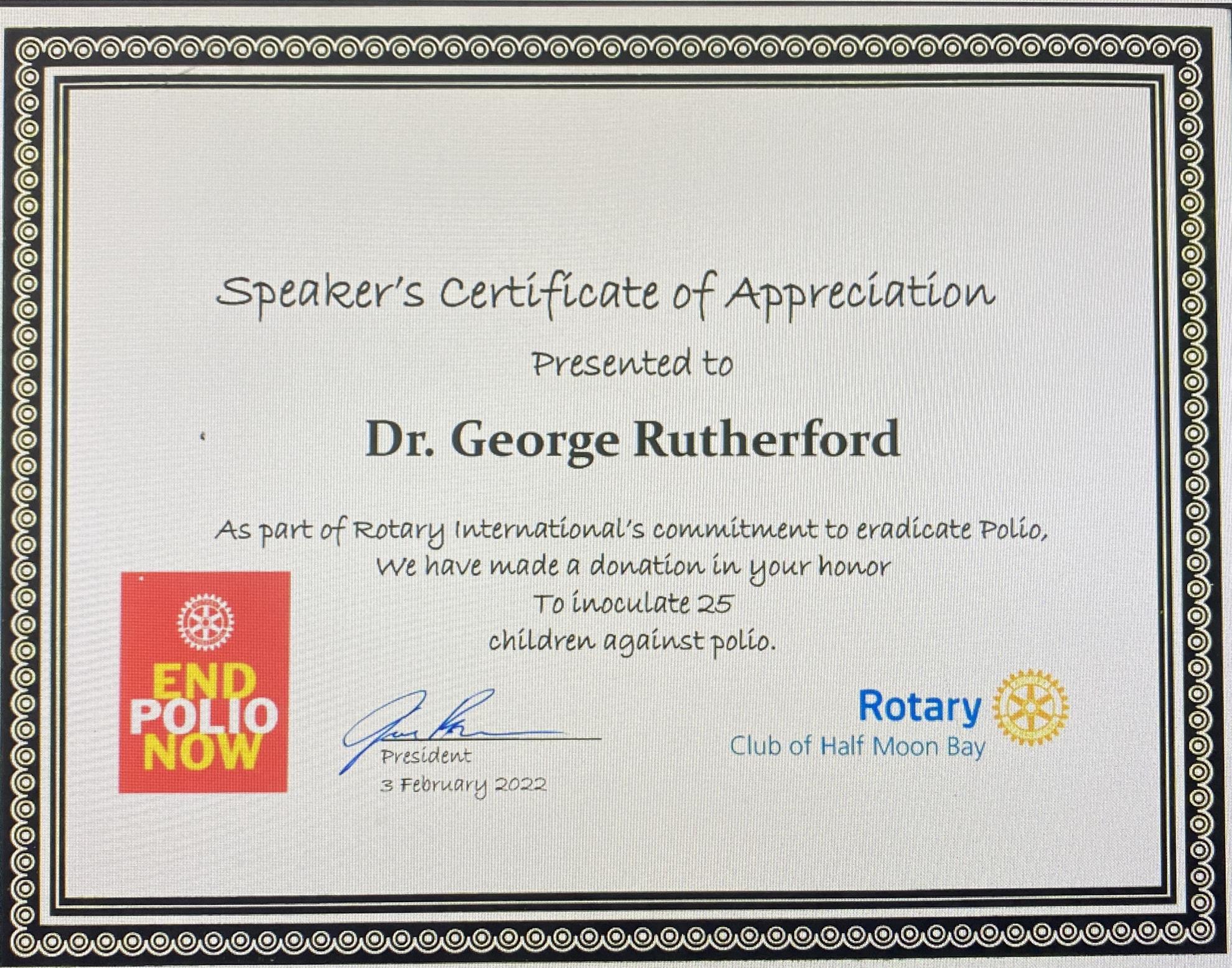
Club Meeting - March 3, 2022
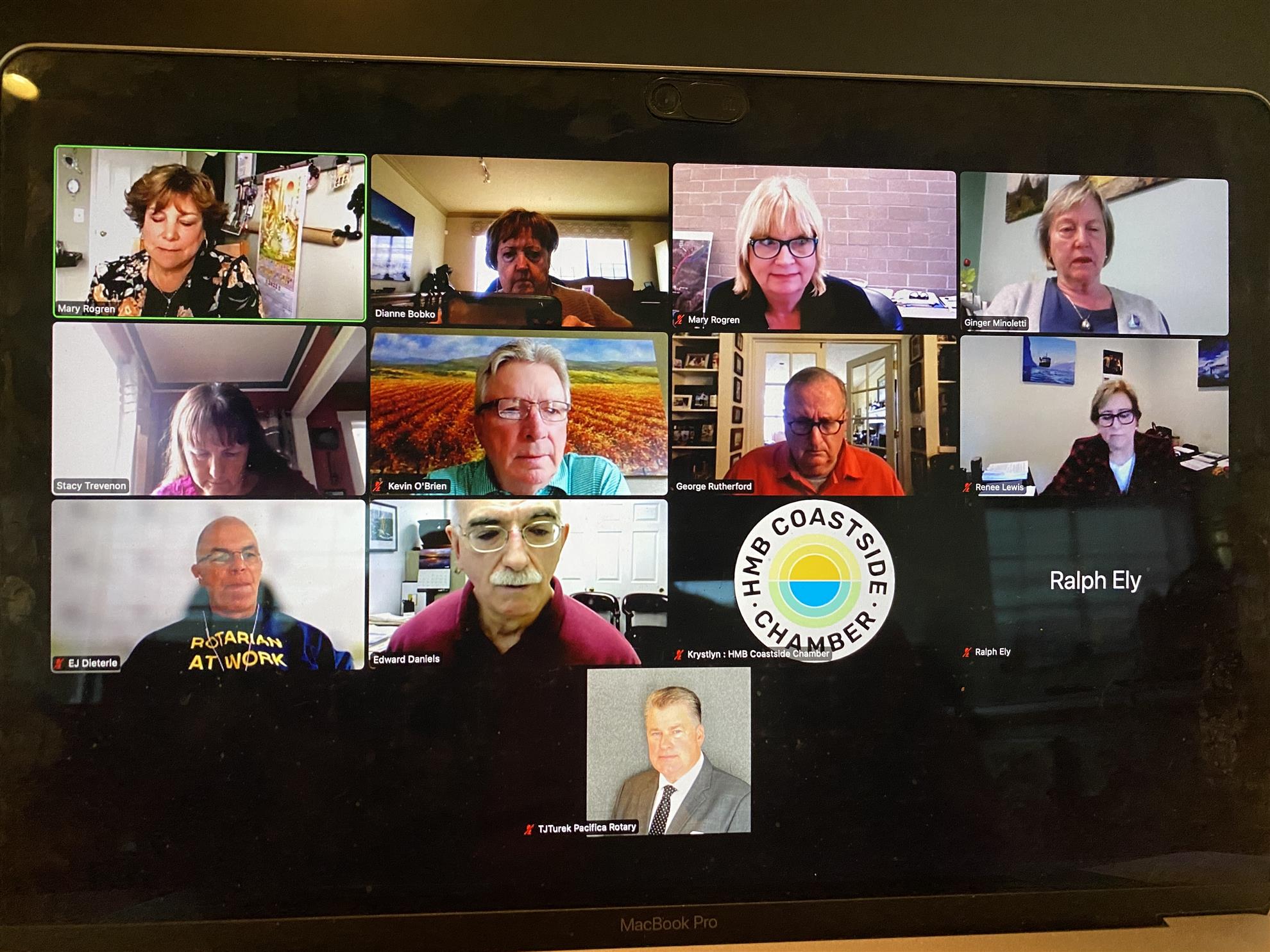
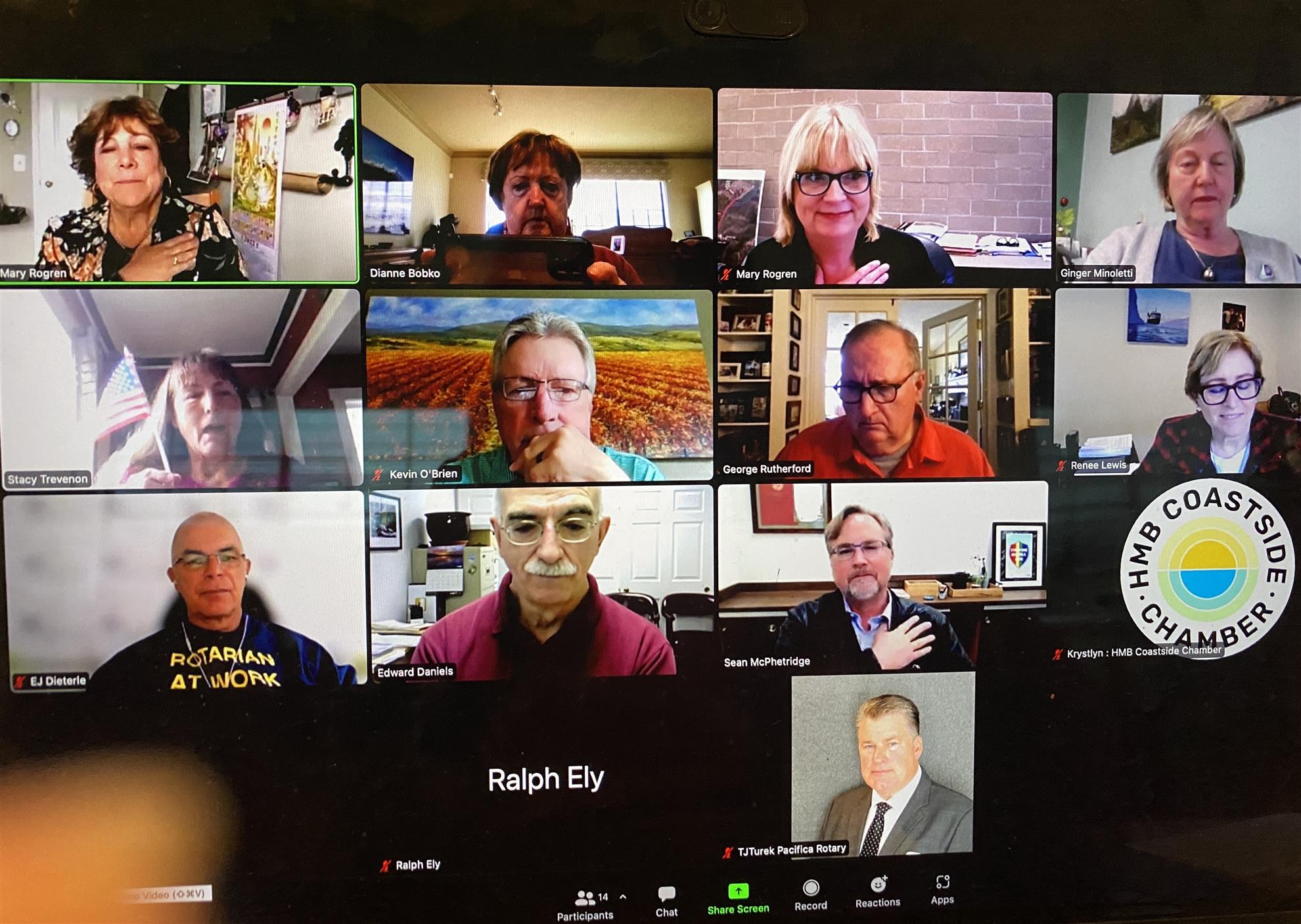
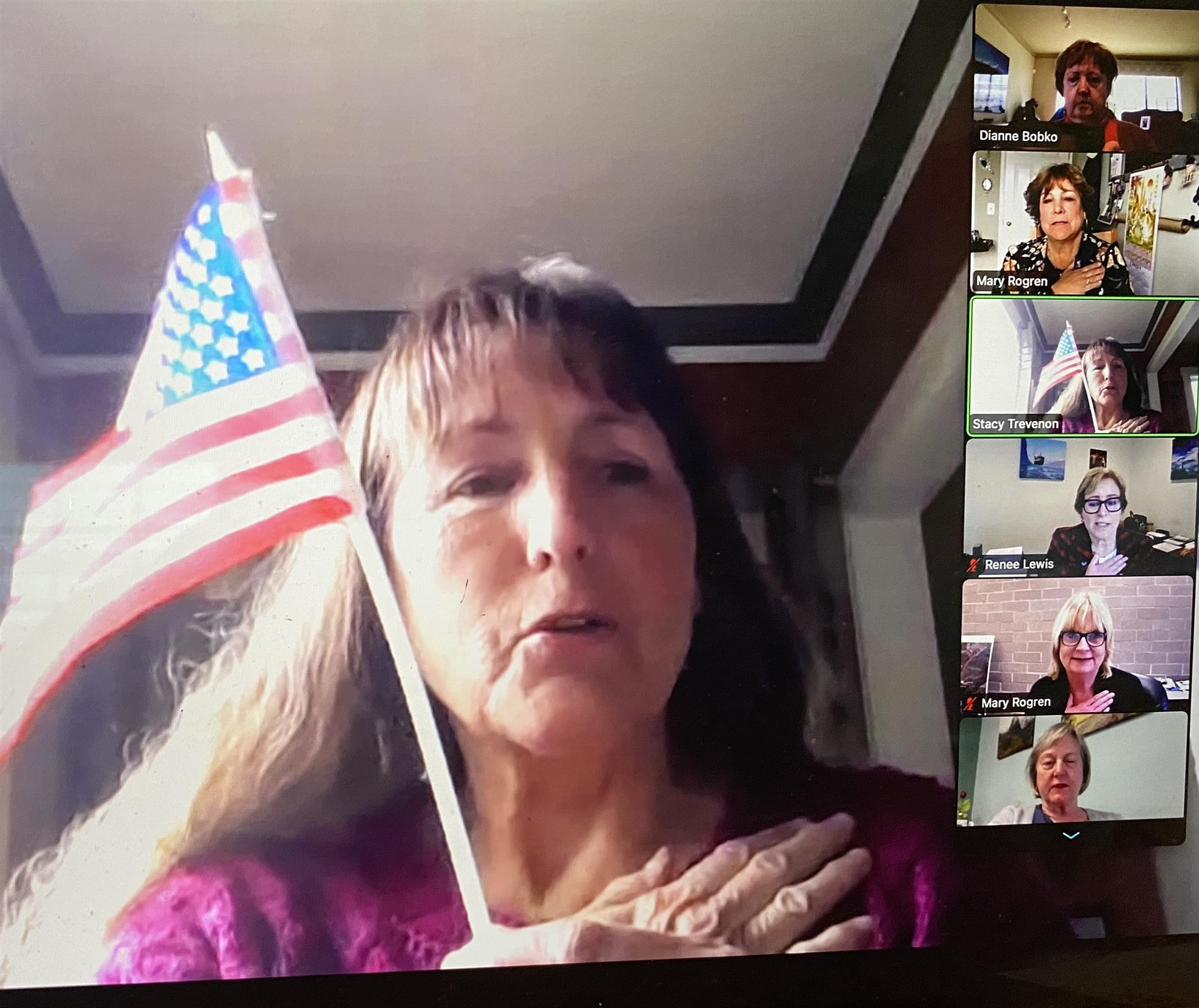
With Rotary Club of Half Moon Bay President Joe Brennan temporarily away, (doing Rotary work delivering vitamins, medical supplies and more to the medical clinic in La Paz), the meeting was co-hosted by club Past Presidents Liz Schuck and Mary Rogren.
Liz began the meeting with a shout-out to “Rotary hell survivors”, those club members who recently completed the online courses required for our Club's qualification for district grants and DDF. Those included Mary Rogren who as our Treasurer had to send numerous tax-related documents to the District to attest to the fact that we were in compliance with all of our tax and financial requirements. Joe was overseeing the efforts of Dianne Bobko, Krystlyn Giedt, Paul Wrubel, and Liz who had to complete a number of courses. The courses were very detailed and some took many hours to complete. One of the courses Dianne took that was required for PNs included 10 individual courses with individual certificates of completion and an additional overall course completion certificate that the District required to be downloaded, printed, scanned and sent back to them. The deadline was March 1 so the group was very busy over the weekend leading up to it. Dianne noted. “You wouldn't believe how educated we are on the most minute details of RI and the District Grant requirements," she said.
Inspirational Thought
Kevin O’Brien offered the inspirational thought, drawn from President Abraham Lincoln’s second inaugural speech delivered on March 4, 1865: “Fondly do we hope – fervently do we pray – that this mighty scourge of war may speedily pass away.”
PHOTO GALLERY